
One of the most important decisions in display selection is whether to use a custom LCD module or an off-the-shelf solution.
At the early stage of development, many teams default to standard displays due to availability and lower upfront cost. However, as system requirements become clearer, limitations often emerge that make customization the more practical long-term choice.
From years of engineering experience, this decision rarely comes down to price alone. It is a balance between integration complexity, lifecycle stability, and system performance.
Claim: The choice between custom and standard LCD modules determines how much complexity your system will carry over time.
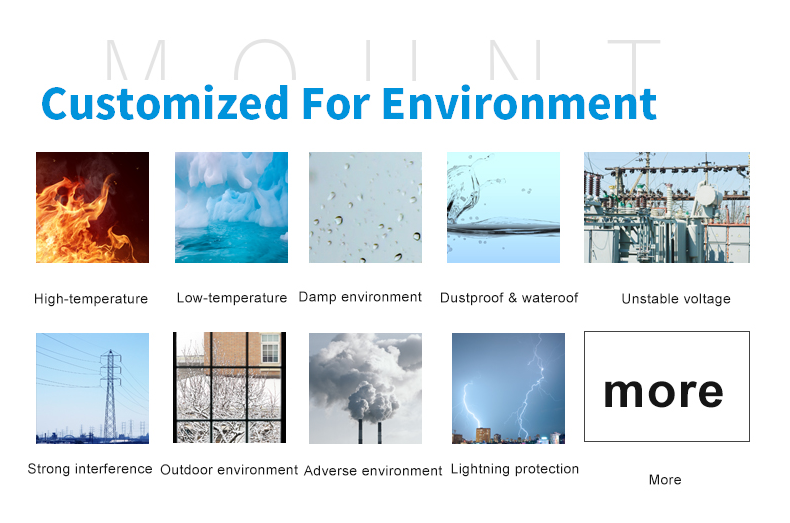
Table of Contents
- What Defines an Off-the-Shelf LCD Display?
- What Makes a Custom LCD Module Different?
- When Does Customization Become Necessary?
- Which Option Is Better for Long-Term Projects?
What Defines an Off-the-Shelf LCD Display?
Off-the-shelf LCD displays are pre-designed modules that are readily available through distributors or a China LCD panel wholesaler.
They are typically designed for broad compatibility and quick deployment, making them suitable for:
- Prototype development
- Short lifecycle products
- Low complexity systems
Advantages include:
- Fast availability
- Lower upfront cost
- Simplified sourcing
However, these displays are not optimized for your specific system. Engineers often need to adapt their design to fit the display rather than the other way around.
As discussed in the industrial LCD screen guide, this can introduce inefficiencies in real-world applications.
Claim: Off-the-shelf displays reduce initial effort but can increase long-term integration complexity.
What Makes a Custom LCD Module Different?
A custom LCD module is designed specifically for your application, typically in collaboration with an OEM TFT module factory.
Instead of selecting a fixed product, engineers define requirements that shape the final display solution.
Customization can include:
- Interface matching (LVDS, MIPI, eDP)
- Touch integration
- Mechanical dimensions
- Brightness and optical tuning
- Power optimization
This approach is particularly valuable for embedded display solutions, where system integration and performance must be tightly controlled.
If your system requires optimized integration, reviewing options from an industrial LCD module provider can help align design requirements with manufacturable solutions.
Claim: Custom LCD modules reduce system complexity by shifting design effort to controlled engineering.
When Does Customization Become Necessary?
Customization is not always required, but certain conditions make it the more practical choice.
From real-world projects, customization becomes necessary when:
- Standard interfaces do not match system architecture
- Mechanical constraints limit available options
- Environmental requirements exceed standard specifications
- Long-term supply stability is critical
These challenges are common in:
- Industrial control systems
- Medical device LCD screens
- Specialized embedded equipment
In these cases, forcing a standard display into the system often leads to additional engineering work and potential reliability issues.
Claim: Customization becomes necessary when standard solutions create more problems than they solve.
Which Option Is Better for Long-Term Projects?
For short-term or low-risk projects, off-the-shelf displays may be sufficient. However, for long lifecycle products, the advantages of customization become more apparent over time.
Custom solutions provide:
- Better system integration
- Reduced redesign risk
- Improved long-term stability
- Greater control over supply chain
This is especially important for medical device LCD screens, where product lifecycles and regulatory requirements demand consistency.
If your project involves long-term production or complex integration, you can contact the XIANHENG engineering team to evaluate whether customization is the right approach.
Claim: For long-term projects, customization often delivers lower total cost despite higher upfront effort.
Conclusion
Choosing between custom LCD modules and off-the-shelf displays depends on your project’s complexity, lifecycle, and integration requirements.
While standard modules offer speed and simplicity, custom solutions provide flexibility, stability, and better system alignment.
From an engineering perspective, the right decision is the one that minimizes long-term complexity and risk.
If you are evaluating display options for industrial or medical applications, reach out to XIANHENG for practical guidance on selecting the most suitable solution.


