A collage of LCD displays in various settings—industrial, medical, and consumer electronics.
Choosing the right LCD display supplier can be daunting with so many options, each offering distinct advantages. Whether you’re seeking custom designs, robust performance in extreme environments, or simply cost-effective solutions, understanding what each supplier offers will guide your decision.
Discover how to identify the ideal LCD display supplier for your unique needs, covering top considerations like customizability, durability, pricing, and technical support.
LCD displays power our devices in industries from healthcare to automotive, and not all suppliers are created equal. Let’s explore what factors set leading suppliers apart.
A carefully selected supplier can enhance product performance, improve reliability, and streamline production—saving costs and increasing customer satisfaction.
Not all LCD display suppliers meet every industry requirement. Key factors like reliability, custom options, and responsive support distinguish top suppliers.
Understanding the unique qualities of an LCD supplier can simplify the decision-making process.
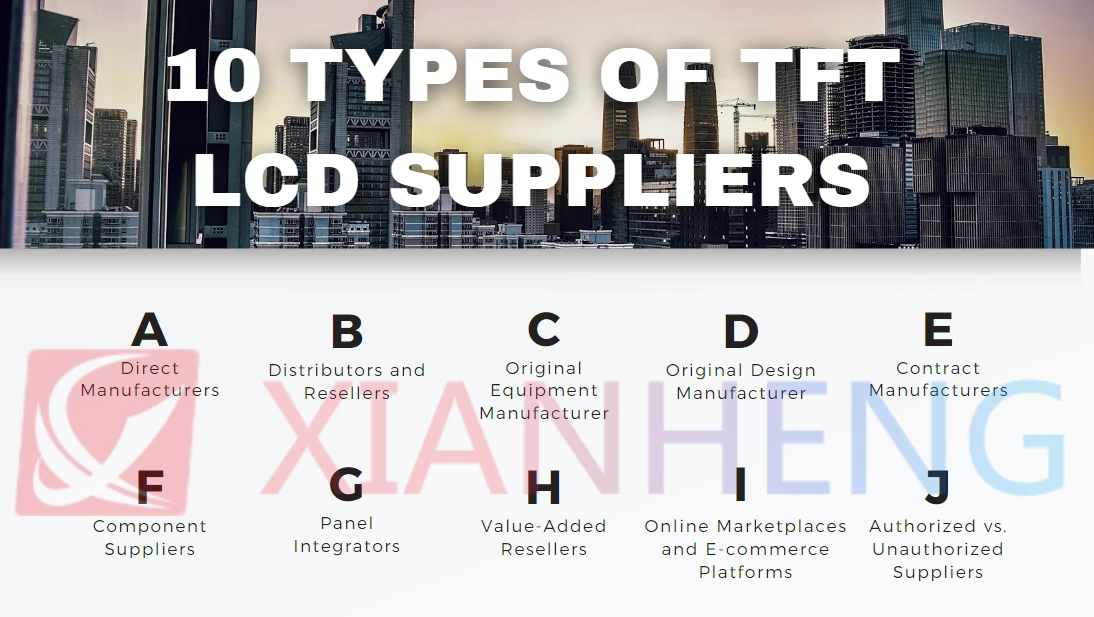
Look for suppliers who emphasize quality, customization options, and strong supply chains. High-performing suppliers typically offer multiple customization levels, from standard displays to fully tailored designs, including options like anti-glare treatments, rugged enclosures, and high-brightness displays for outdoor applications.
LCD displays serve multiple industries, but choosing a supplier with relevant experience can significantly impact project outcomes.
The industry-specific expertise of your supplier can lead to better-tailored, more efficient solutions.
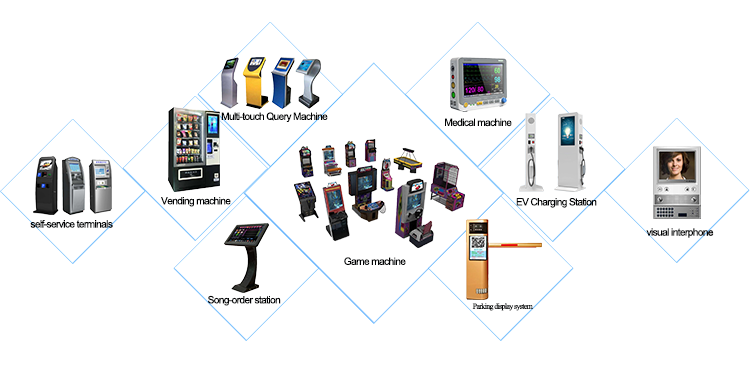
Leading LCD suppliers cater to sectors like automotive, medical, industrial, consumer electronics, and advertising. Each industry requires unique specifications; for instance, automotive displays often need sunlight readability, while medical displays prioritize high resolution and durability.
Customization is often essential, allowing the display to meet the specific functional and aesthetic requirements of your product.
From custom sizes to touch capabilities, the right LCD customization enhances both user experience and product appeal.
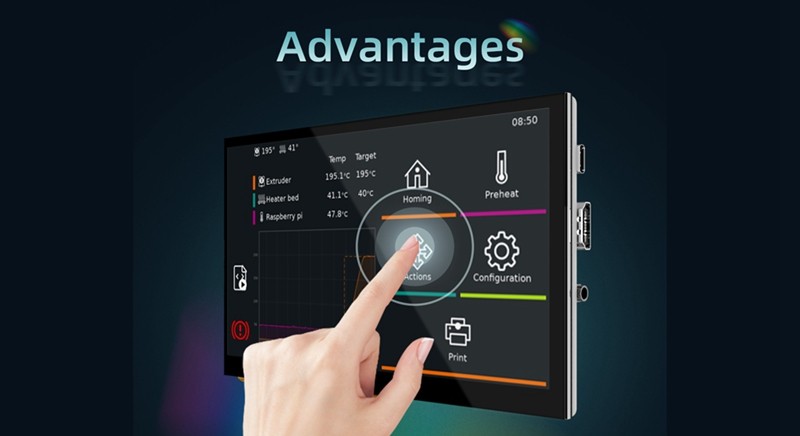
Customization options commonly include dimensions, interface types, and touch capabilities. Advanced options like optical bonding improve sunlight readability and durability. Many suppliers offer solutions that incorporate resistive or capacitive touch, ensuring compatibility with various applications.
Certifications and testing standards are critical indicators of an LCD supplier’s commitment to quality.
Choosing a supplier with stringent quality control ensures long-lasting displays that perform reliably in diverse conditions.

Reliable suppliers adhere to industry certifications such as ISO 9001 for quality management, ISO 14001 for environmental responsibility, and RoHS compliance. Suppliers focusing on high-stakes applications, such as medical or automotive, may also hold additional sector-specific certifications.
Choosing the right LCD display supplier requires a careful evaluation of several factors: industry expertise, customization options, adherence to quality standards, and customer support. A knowledgeable supplier can be a valuable partner, ensuring high-quality displays that fit your exact requirements. By focusing on these aspects, you’ll be better positioned to choose a supplier that supports your project’s success.
[External Links Recommendation]:


