
When selecting an LCD display for industrial or medical equipment, one of the most common decisions engineers face is whether to use a standard off-the-shelf module or work with an OEM TFT module factory for a customized solution.
At first glance, standard modules appear faster and more cost-effective. However, as system complexity increases, many teams realize that customization can significantly reduce integration challenges and long-term risks.
The right choice depends on your project stage, production volume, and application requirements — especially for embedded systems and medical devices.
Claim: Choosing between OEM and standard LCD modules is not just a cost decision — it is a system architecture decision.
Table of Contents
- What Are Standard LCD Modules and When Are They Suitable?
- What Advantages Do OEM TFT Modules Offer?
- How Do Embedded Display Solutions Influence This Decision?
- Which Option Is Better for Medical Device LCD Screens?
What Are Standard LCD Modules and When Are They Suitable?
Standard LCD modules are pre-designed display units that are widely available from distributors and panel wholesalers. They are typically used in projects where time-to-market is critical and customization requirements are minimal.
These modules are often sourced from a China LCD panel wholesaler and are designed for general-purpose applications.
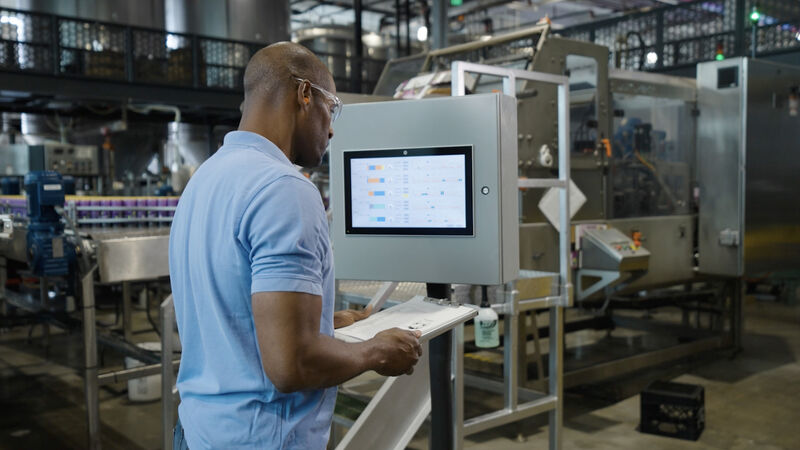
Advantages of standard modules include:
- Short lead time
- Lower initial cost
- Easy availability
- Simplified procurement
However, they also come with limitations:
- Fixed interface configurations
- Limited mechanical flexibility
- Shorter lifecycle in some cases
For early prototyping or small batch LCD display orders, standard modules can be a practical starting point.
These trade-offs are also discussed in the industrial LCD screen guide, where flexibility and lifecycle considerations become increasingly important in real-world deployments.
Claim: Standard LCD modules are ideal for speed, but not always for long-term system optimization.
What Advantages Do OEM TFT Modules Offer?
OEM TFT modules are customized display solutions designed specifically for your application. Instead of adapting your system to fit the display, the display is designed to fit your system.
A capable OEM TFT module factory can provide tailored solutions based on your electrical, mechanical, and environmental requirements.
Key advantages include:
- Custom interface support (LVDS, MIPI, eDP)
- Integrated touch solutions
- Mechanical design flexibility
- Optimized power consumption
- Long-term supply planning
While OEM solutions may involve higher upfront engineering effort, they often reduce integration complexity and improve long-term stability.
🧩 For projects requiring reliable and scalable display integration, reviewing complete solutions from an industrial LCD module provider can help align technical requirements with supply capabilities.
Claim: OEM modules shift complexity from system integration to controlled engineering design.
How Do Embedded Display Solutions Influence This Decision?
Embedded display solutions require tight integration between the LCD module and the system’s processing platform. This often includes custom interfaces, optimized signal routing, and coordinated firmware behavior.
In these scenarios, standard modules may introduce limitations that complicate system design.
OEM modules, on the other hand, allow engineers to:
- Match display timing with processor capabilities
- Optimize connector layout
- Reduce signal integrity issues
- Simplify system architecture
From a system engineering perspective, embedded display solutions benefit significantly from customization.
Claim: The more integrated your system is, the more valuable OEM customization becomes.
Which Option Is Better for Medical Device LCD Screens?
Medical device LCD screens introduce additional requirements that strongly influence this decision. These include regulatory compliance, long lifecycle support, and strict reliability expectations.
Standard modules may be suitable for early development, but they often lack the lifecycle stability required for certified medical equipment.
OEM solutions are typically preferred in medical applications because they allow:
- Controlled lifecycle management
- Stable supply planning
- Integration with compliant system architecture
- Consistent performance over time
For teams developing regulated equipment, working with experienced suppliers is critical. You can contact the XIANHENG engineering team to evaluate suitable display strategies for your medical or industrial project.
Claim: In medical applications, OEM customization is often necessary to meet compliance and lifecycle requirements.
Conclusion
Choosing between OEM and standard LCD modules depends on your project goals, timeline, and long-term requirements.
Standard modules offer speed and simplicity, making them ideal for prototyping and low-risk applications. OEM solutions provide flexibility, integration advantages, and lifecycle stability, making them better suited for complex systems and regulated environments.
From an engineering perspective, the decision should be based on system architecture rather than short-term cost.
If you are evaluating display strategies for your next project, reach out to XIANHENG for practical guidance on selecting the right LCD solution.


