In industries where conditions are extreme—be it intense temperatures, moisture, dust, or vibrations—standard displays often fall short. Industrial LCD touchscreen displays are engineered to withstand these challenges, ensuring consistent performance and reliability. This article delves into the significance of these robust displays, their features, applications, and how they cater to demanding environments.
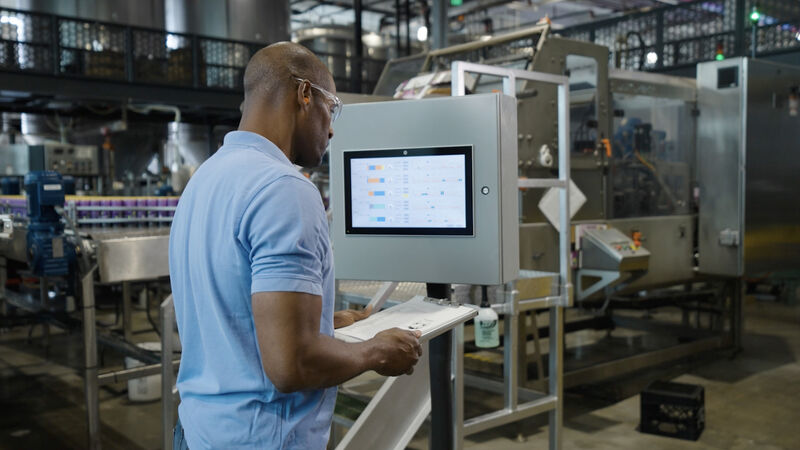
Industrial LCD touchscreen displays are not just about durability; they are about ensuring uninterrupted operations in environments where failure is not an option. From manufacturing floors to outdoor installations, these displays play a pivotal role in maintaining efficiency and safety.
Understanding the importance of these displays requires a comprehensive look at their construction, features, and the specific challenges they address. Let's explore the world of industrial LCD touchscreen displays and their indispensable role in harsh environments.
1. What Defines an Industrial LCD Touchscreen Display?
Industrial LCD touchscreen displays are specialized monitors designed to operate reliably in challenging environments. Unlike consumer-grade displays, these are built with rugged materials and advanced technologies to ensure longevity and performance.
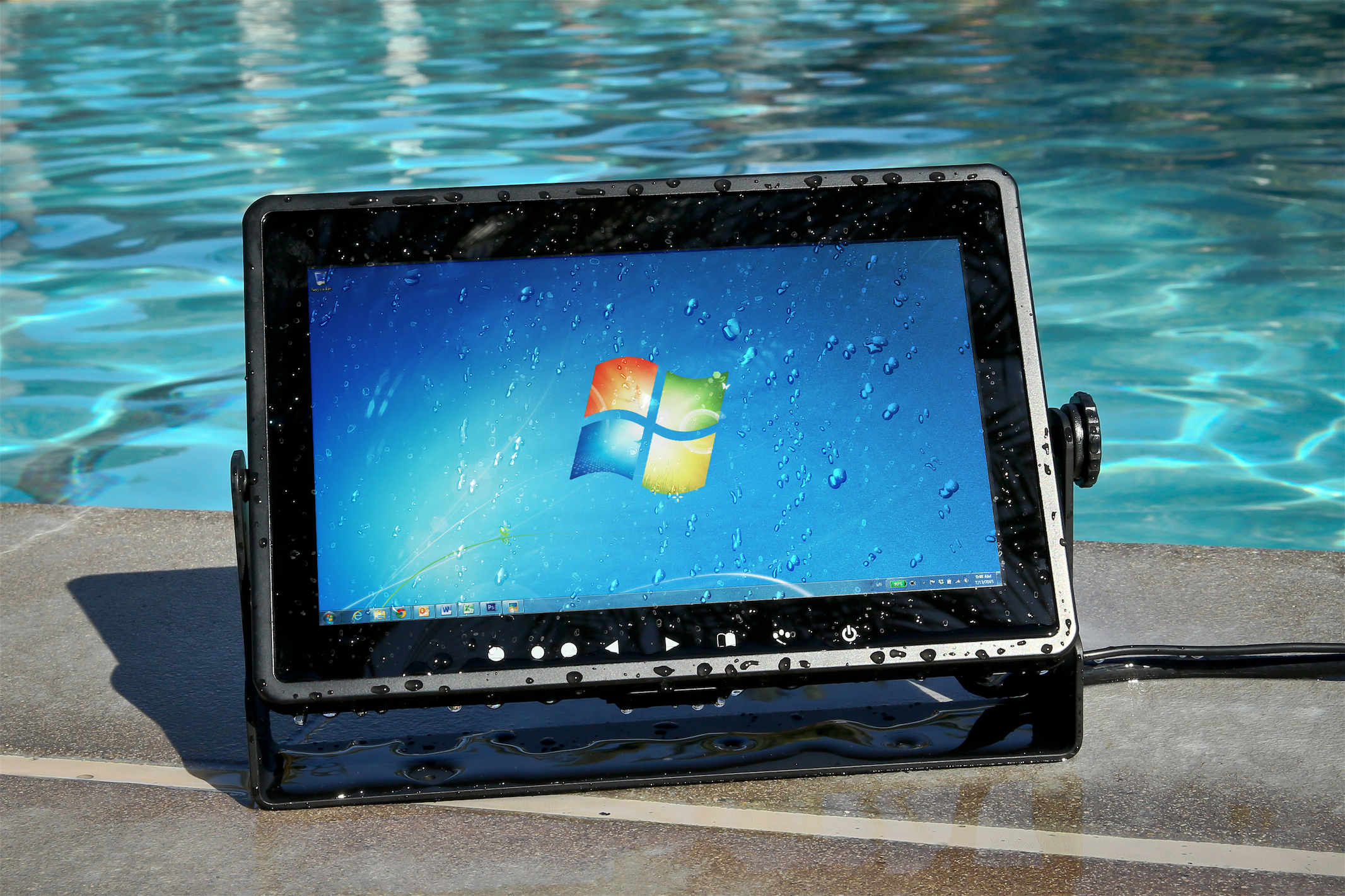
Key characteristics include:
-
Durable Construction: Often encased in materials like stainless steel or aluminum to resist physical damage.
-
Touchscreen Technology: Utilizing resistive or capacitive touchscreens that can function through gloves or in wet conditions.
-
Environmental Sealing: Sealed to IP65 or higher standards to prevent ingress of dust and water.
-
Wide Operating Temperatures: Designed to function in extreme temperatures, from sub-zero to over 50°C.
These features collectively ensure that the displays can handle the rigors of industrial settings, providing reliable human-machine interfaces (HMIs) for various applications.
2. How Do These Displays Withstand Harsh Conditions?
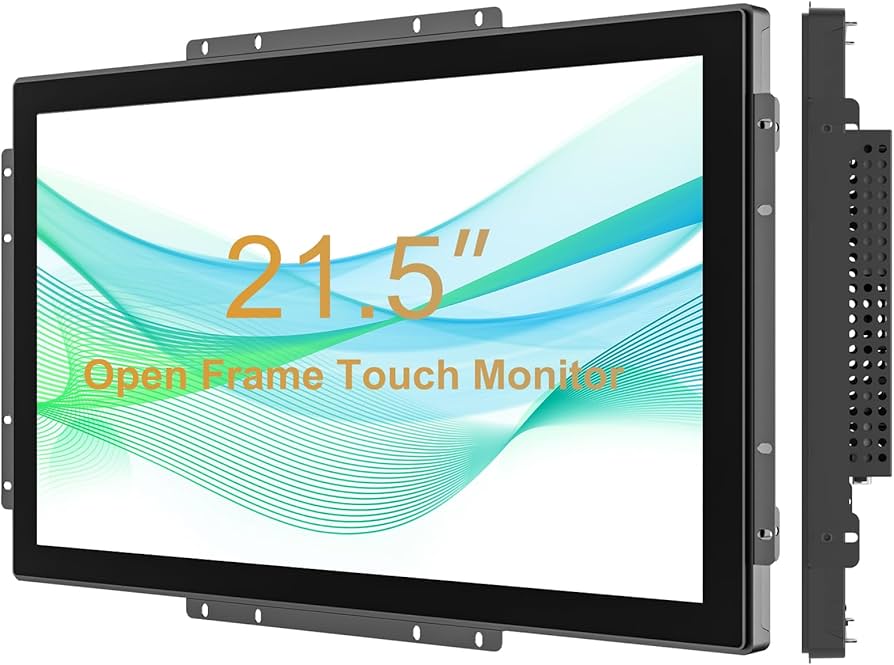
The resilience of industrial LCD touchscreen displays stems from their meticulous design and engineering. Several factors contribute to their robustness:
-
Sealing and Enclosure: Enclosures are sealed to prevent dust and water ingress, adhering to standards like IP65 or NEMA 4X.
-
Temperature Management: Components are selected to operate within wide temperature ranges, and some displays incorporate heaters or cooling systems.
-
Shock and Vibration Resistance: Internal components are mounted to absorb shocks, and the overall design minimizes the impact of vibrations.
-
Sunlight Readability: High-brightness displays and anti-glare coatings ensure visibility in bright conditions.
These design considerations enable the displays to function reliably in environments such as manufacturing plants, outdoor kiosks, and marine applications.
3. Where Are Industrial LCD Touchscreen Displays Commonly Used?
Industrial LCD touchscreen displays find applications across various sectors, each with unique requirements:
-
Manufacturing: Used on production lines for monitoring and control.
-
Transportation: Installed in vehicles, including trains and buses, for navigation and system monitoring.
-
Marine: Employed on ships and offshore platforms, requiring waterproof and sunlight-readable features.
-
Healthcare: Used in medical equipment where hygiene and reliability are paramount.
-
Retail and Kiosks: Implemented in self-service kiosks, requiring durability against constant use.
Each application demands specific features, but the common denominator is the need for reliability and durability in challenging conditions.
4. What Should You Consider When Selecting One?
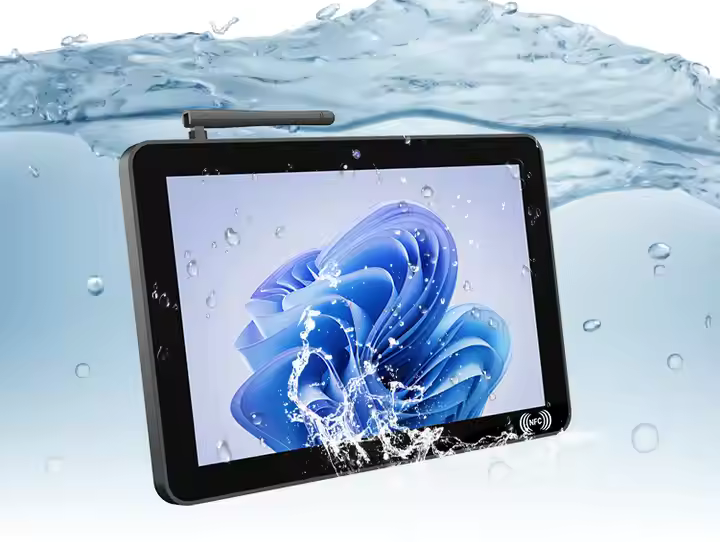
Choosing the right industrial LCD touchscreen display involves evaluating several factors:
-
Environment: Assess the conditions where the display will operate—temperature extremes, exposure to water or dust, etc.
-
Touchscreen Type: Decide between resistive (works with gloves) or capacitive (more responsive) touchscreens.
-
Mounting Options: Consider how the display will be mounted—panel, rack, or VESA mount.
-
Connectivity: Ensure compatibility with existing systems through appropriate interfaces (HDMI, VGA, USB, etc.).
-
Certifications: Look for certifications like IP65 or NEMA ratings that indicate suitability for specific environments.
By carefully evaluating these factors, you can select a display that meets your operational requirements and ensures longevity.
Conclusion
Industrial LCD touchscreen displays are integral to operations in harsh environments, offering durability, reliability, and functionality where standard displays cannot. Their specialized features cater to the unique demands of various industries, ensuring seamless operations even under challenging conditions.
External Links Recommendation


