

Transportation networks are the backbone of modern cities, and passengers depend on information delivered instantly and clearly. From train schedules to airport gate changes, visibility is critical.
Traditional displays struggle in outdoor platforms or bright concourses. High brightness LCDs solve this challenge, ensuring uninterrupted communication.
Let us explore the essential questions transportation authorities ask when evaluating display systems.
Claim: Passenger safety and operational efficiency depend on high brightness LCDs that remain visible under any condition.
Table of Contents
- How Do High Brightness LCDs Improve Passenger Visibility?
- Can They Enhance Passenger Safety?
- Are They Durable Enough for Harsh Transit Environments?
- What Integration Options Are Available for Transport Systems?
How Do High Brightness LCDs Improve Passenger Visibility?
In open-air bus stations and train platforms, sunlight can wash out standard displays. High brightness LCDs with 1500–2000 nits ensure schedule boards remain legible, even at noon.
Optical bonding reduces internal reflections, increasing contrast and clarity. Anti-glare coatings further improve passenger readability from different angles.
Real-world deployments in airports across Europe demonstrate reduced passenger confusion when screens remain readable in all lighting conditions.
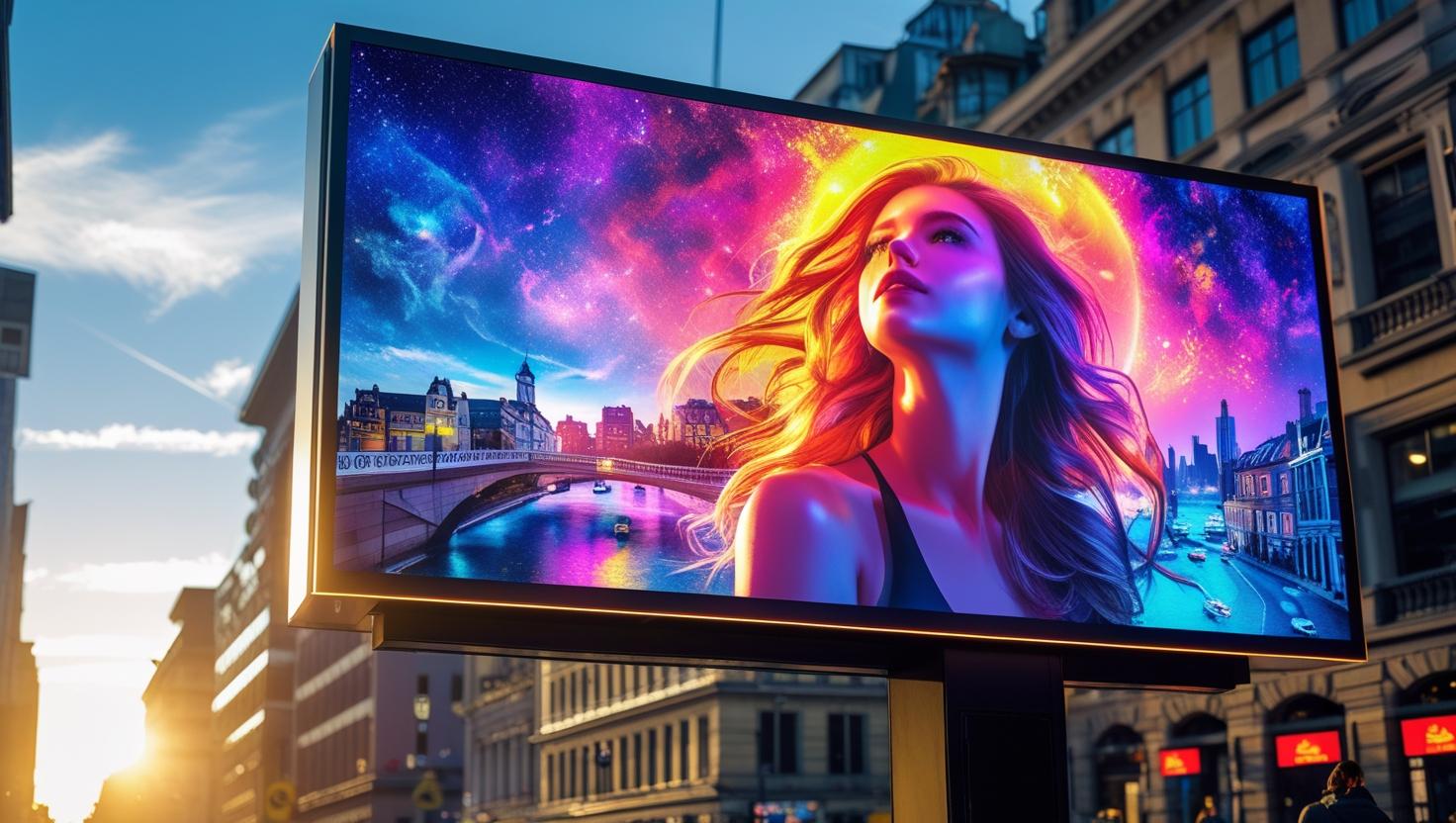
Claim: Visibility equals reliability—passengers trust systems that communicate effectively.
Can They Enhance Passenger Safety?
Safety messages must be delivered in real time—whether announcing delays, emergencies, or evacuation instructions.
High brightness LCDs ensure that warnings are seen instantly, regardless of ambient light.
In Japan’s railway system, sunlight-readable displays have significantly improved emergency communication compliance.

Claim: Clear visibility directly translates into passenger safety and trust.
Are They Durable Enough for Harsh Transit Environments?
Transit systems face vibration, dust, humidity, and constant public use. Displays must be rugged.
XIANHENG LCDs provide IP65 protection, vandal-resistant glass, and extended lifespan backlighting.
Subway projects in the Middle East prove that with wide temperature LCDs, performance remains consistent from desert heat to underground humidity.

Claim: Durability ensures long-term ROI in demanding transit projects.
What Integration Options Are Available for Transport Systems?
Different networks require custom lcd solutions—whether wall-mounted in metro stations or embedded in ticketing kiosks.
Interfaces like HDMI, DisplayPort, and RS-232 allow smooth system integration. Touch options support self-service ticketing.
In Latin America, custom-sized high brightness LCDs are being integrated into bus rapid transit systems with multilingual software support.

Claim: Integration flexibility makes LCDs the most adaptable technology for transport communication.
Conclusion
Transportation systems cannot afford communication gaps. High brightness LCDs provide visibility, safety, durability, and integration flexibility.
👉 Explore transportation-ready LCD solutions from XIANHENG.


